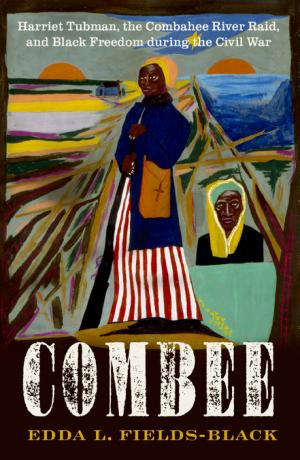
COMBEE: Harriet Tubman, the Combahee River Raid, and Black Freedom During the Civil War
COMBEE: Harriet Tubman, the Combahee River Raid, and Black Freedom During the Civil War
Combee won the 2025 Pulitzer Prize for History and the 2025 Gilder Lehrman Lincoln Prize. Most Americans know of Harriet Tubman's legendary life: escaping enslavement in 1849, she led more than 60 others out of bondage via the Underground Railroad, gave instructions on getting to freedom to scores more, and went on to live a lifetime fighting for change. Yet the many biographies, children's books, and films about Tubman omit a crucial chapter: during the Civil War, hired by the Union Army, she ventured into the heart of slave territory--Beaufort, South Carolina--to live, work, and gather intelligence for a daring raid up the Combahee River to attack the major plantations of Rice Country, the breadbasket of the Confederacy. Edda L. Fields-Black--herself a descendent of one of the participants in the raid--shows how Tubman commanded a ring of spies, scouts, and pilots and participated in military expeditions behind Confederate lines. On June 2, 1863, Tubman and her crew piloted two regiments of Black US Army soldiers, the Second South Carolina Volunteers, and their white commanders up coastal South Carolina's Combahee River in three gunboats. In a matter of hours, they torched eight rice plantations and liberated 730 people, people whose Lowcountry Creole language and culture Tubman could not even understand. Black men who had liberated themselves from bondage on South Carolina's Sea Island cotton plantations after the Battle of Port Royal in November 1861 enlisted in the Second South Carolina Volunteers and risked their lives in the effort. Using previous unexamined documents, including Tubman's US Civil War Pension File, bills of sale, wills, marriage settlements, and estate papers from planters' families, Fields-Black brings to life intergenerational, extended enslaved families, neighbors, praise-house members, and sweethearts forced to work in South Carolina's deadly tidal rice swamps, sold, and separated during the antebellum period. When Tubman and the gunboats arrived and blew their steam whistles, many of those people clambered aboard, sailed to freedom, and were eventually reunited with their families. The able-bodied Black men freed in the Combahee River Raid enlisted in the Second South Carolina Volunteers and fought behind Confederate lines for the freedom of others still enslaved not just in South Carolina but Georgia and Florida. After the war, many returned to the same rice plantations from which they had escaped, purchased land, married, and buried each other. These formerly enslaved peoples on the Sea Island indigo and cotton plantations, together with those in the semi-urban port cities of Charleston, Beaufort, and Savannah, and on rice plantations in the coastal plains, created the distinctly American Gullah Geechee dialect, culture, and identity--perhaps the most significant legacy of Harriet Tubman's Combahee River Raid.
Buy this book at Amazon- Publisher
- Oxford University Press
- Year
- 2024
- ISBN-13
- 9780197552810
- Genre
- History
- Topics
- Harriet Tubman and the Underground RailroadCivil War military historySlavery and emancipation in the American South
Awards
- Pulitzer Prize for HistoryWonMajor(2025)
- Mark Lynton History PrizeShortlisted(2025)
If you liked COMBEE: Harriet Tubman, the Combahee River Raid, and Black Freedom During the Civil War, you could also like these
Black Majority: Negroes in Colonial South Carolina from 1670 through the Stono Rebellion
Peter H. Wood
0 wins · 4 score
Slave Counterpoint: Black Culture in Eighteenth-Century Chesapeake and Low Country
Philip D. Morgan
1 win · 8 score
Tacky’s Revolt: The Story of an Atlantic Slave War
Vincent Brown
1 win · 8 score
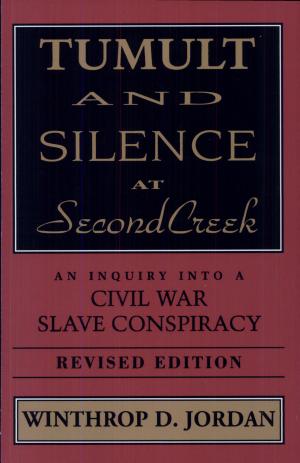
Tumult and Silence at Second Creek: An Inquiry into a Civil War Slave Conspiracy
Winthrop D. Jordan
1 win · 8 score
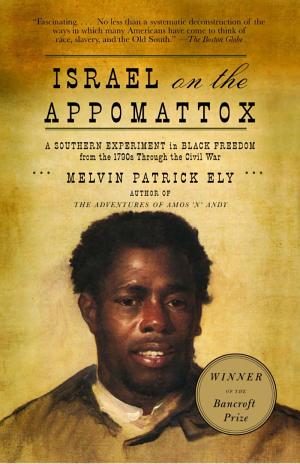
Israel on the Appomattox: A Southern Experiment in Black Freedom from the 1790s Through the Civil War
Melvin Patrick Ely
1 win · 8 score
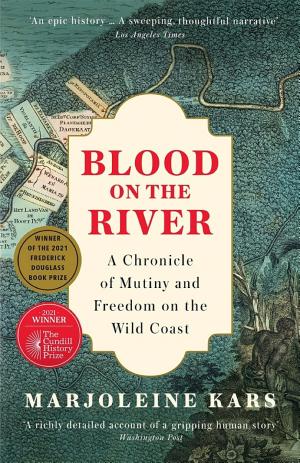
Blood on the River: A Chronicle of Mutiny and Freedom on the Wild Coast
Marjoleine Kars
1 win · 8 score
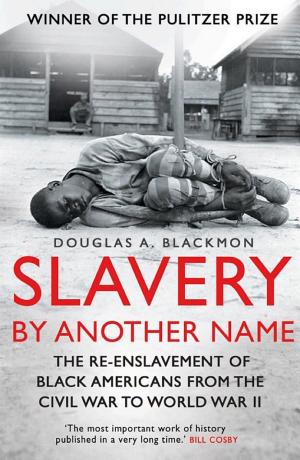
Slavery by Another Name: The Re-Enslavement of Black Americans from the Civil War to World War II
Douglas A. Blackmon
1 win · 12 score
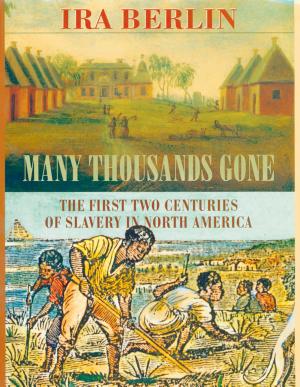
Many Thousands Gone: The First Two Centuries of Slavery in North America
Ira. Berlin
1 win · 15 score
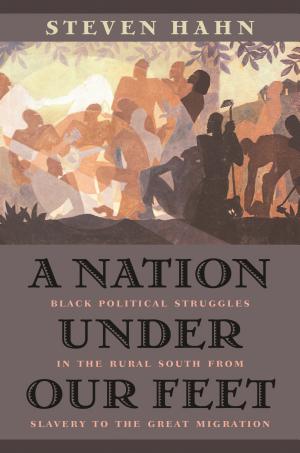
A Nation Under Our Feet: Black Political Struggles in the Rural South from Slavery to the Great Migration
Steven Hahn
2 wins · 20 score
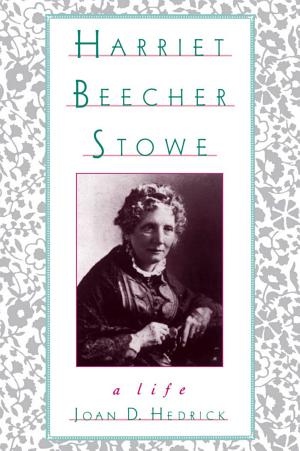
Harriet Beecher Stowe: A Life
Joan D. Hedrick
1 win · 15 score
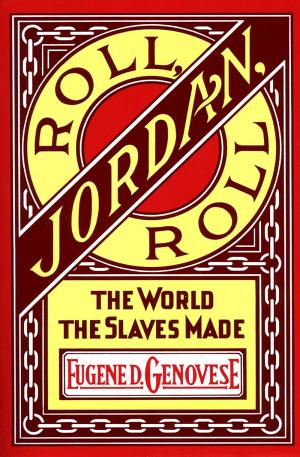
Roll, Jordan, Roll: The World the Slaves Made
Eugene D. Genovese
2 wins · 17 score
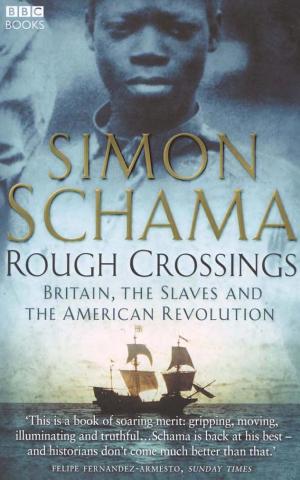
Rough Crossings: Britain, the Slaves and the American Revolution
Simon Schama
1 win · 12 score
Labor of Love, Labor of Sorrow: Black Women, Work, and the Family from Slavery to the Present
Jacqueline Jones
1 win · 12 score
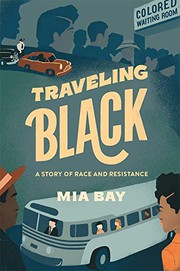
Traveling Black: A Story of Race and Resistance
Mia. Bay
1 win · 11 score
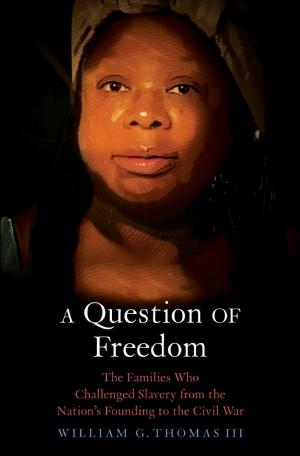
A Question Of Freedom: The Families Who Challenged Slavery from the Nation's Founding to the Civil War
William G. Thomas III
1 win · 5 score