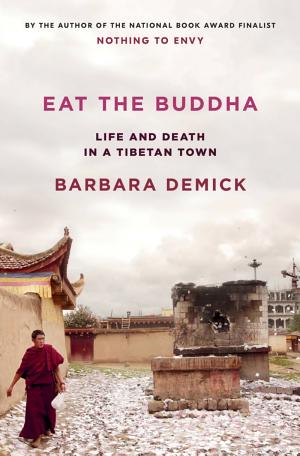
Eat the Buddha: The Story of Modern Tibet through the People of One Town
Eat the Buddha: The Story of Modern Tibet through the People of One Town
Eat the Buddha was named one of the best books of the year by Parul Sehgal of The New York Times, The New York Times Book Review, The Washington Post, NPR, The Economist, Outside, and Foreign Affairs. Just as she did with North Korea, award-winning journalist Barbara Demick explores one of the most hidden corners of the world. She tells the story of a Tibetan town perched eleven thousand feet above sea level that is one of the most difficult places in all of China for foreigners to visit. Ngaba was one of the first places where the Tibetans and the Chinese Communists encountered one another. In the 1930s, Mao Zedong's Red Army fled into the Tibetan plateau to escape their adversaries in the Chinese Civil War. By the time the soldiers reached Ngaba, they were so hungry that they looted monasteries and ate religious statues made of flour and butter—to Tibetans, it was as if they were eating the Buddha. Their experiences would make Ngaba one of the engines of Tibetan resistance for decades to come, culminating in shocking acts of self-immolation. Eat the Buddha spans decades of modern Tibetan and Chinese history, as told through the private lives of Demick's subjects, among them a princess whose family is wiped out during the Cultural Revolution, a young Tibetan nomad who becomes radicalized in the storied monastery of Kirti, an upwardly mobile entrepreneur who falls in love with a Chinese woman, a poet and intellectual who risks everything to voice his resistance, and a Tibetan schoolgirl forced to choose at an early age between her family and the elusive lure of Chinese money. All of them face the same dilemma: Do they resist the Chinese, or do they join them? Do they adhere to Buddhist teachings of compassion and nonviolence, or do they fight? Illuminating a culture that has long been romanticized by Westerners as deeply spiritual and peaceful, Demick reveals what it is really like to be a Tibetan in the twenty-first century, trying to preserve one's culture, faith, and language against the depredations of a seemingly unstoppable, technologically all-seeing superpower. Her depiction is nuanced, unvarnished, and at times shocking.
Buy this book at Amazon- Publisher
- Random House
- Year
- 2020
- ISBN-13
- 9780812998764
- Genre
- History
- Topics
- Tibetan history and cultureChinese-Tibetan relationsResistance and political oppression
Awards
- The Orwell Prize for Political WritingShortlisted(2021)
Other awarded books from Barbara Demick
If you liked Eat the Buddha: The Story of Modern Tibet through the People of One Town, you could also like these
Daughters of the Bamboo Grove: From China to America, a True Story of Abduction, Adoption, and Separated Twins
Barbara Demick
0 wins · 4 score
Dust on the Throne: The Search for Buddhism in Modern India
Douglas Ober
0 wins · 3 score
Out of China: How the Chinese Ended the Era of Western Domination
Robert Bickers
1 win · 8 score
Age of Ambition: Chasing Fortune, Truth, and Faith in the New China
Evan Osnos
1 win · 16 score
Nothing to Envy: Ordinary Lives in North Korea
Barbara Demick
1 win · 20 score
Maoism: A Global History
Julia Lovell
1 win · 12 score
The Underground Girls of Kabul: In Search of a Hidden Resistance in Afghanistan
Jenny Nordberg
1 win · 5 score
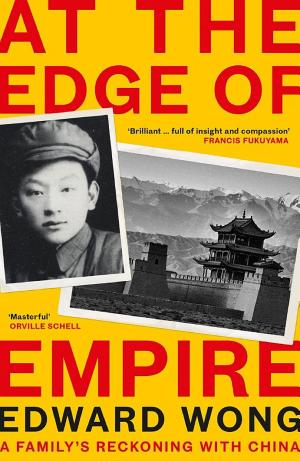
At the Edge of Empire
Edward Wong
0 wins · 3 score

Red Memory: Living, Remembering and Forgetting China's Cultural Revolution,
Tania Branigan
1 win · 12 score
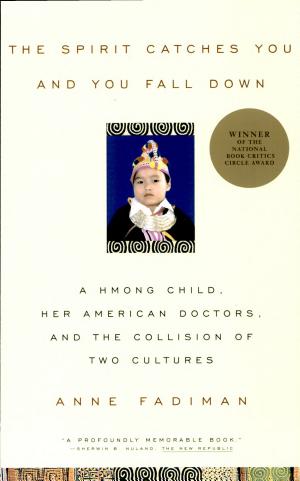
The Spirit Catches You and You Fall Down: A Hmong Child, Her American Doctors, and the Collision of Two Cultures
Anne Fadiman
2 wins · 20 score
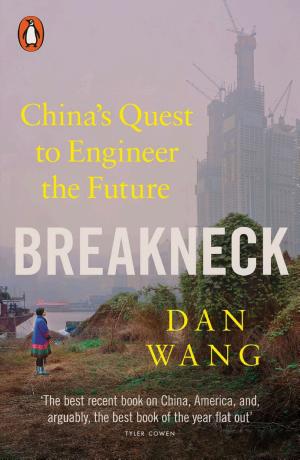
Breakneck: China's Quest to Engineer the Future
Dan Wang
0 wins · 3 score
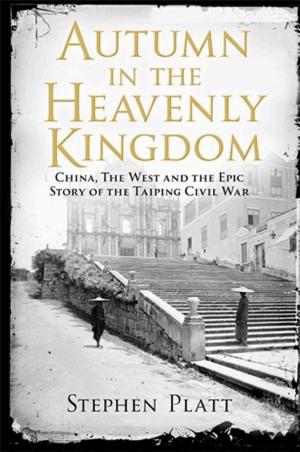
Autumn in the Heavenly Kingdom: China, the West, and the Epic Story of the Taiping Civil War
Stephen R. Platt
1 win · 8 score
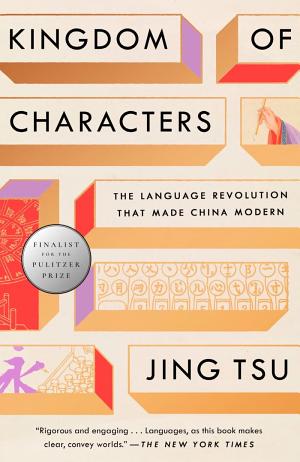
Kingdom of Characters: The Language Revolution That Made China Modern
Jing Tsu
0 wins · 5 score
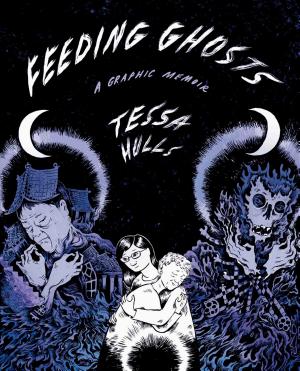
Feeding Ghosts: A Graphic Memoir
Tessa Hulls
0 wins · 3 score
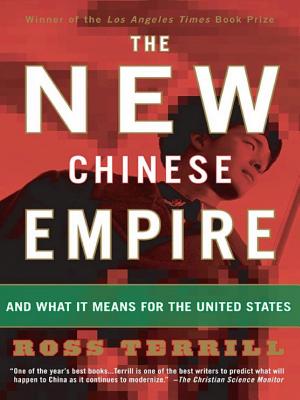
The New Chinese Empire - And What It Means for the United States
Ross Terrill
1 win · 8 score