Affiliate link: we may earn a commission
Won the Pulitzer Prize for History (2006).
All who lived in the early 1950s remember the fear of polio and the elation felt when a successful vaccine was found. Now David Oshinsky tells the gripping story of the polio terror and of the intense effort to find a cure, from the March of Dimes to the discovery of the Salk and Sabin vaccines--and beyond. Here is a remarkable portrait of America in the early 1950s, using the widespread panic over polio to shed light on our national obsessions and fears. Drawing on newly available papers of Jonas Salk, Albert Sabin and other key players, Oshinsky paints a suspenseful portrait of the race for the cure, weaving a dramatic tale centered on the furious rivalry between Salk and Sabin. Indeed, the competition was marked by a deep-seated ill will among the researchers that remained with them until their deaths. The author also tells the story of Isabel Morgan, perhaps the most talented of all polio researchers, who might have beaten Salk to the prize if she had not retired to raise a family. As backdrop to this feverish research, Oshinsky offers an insightful look at the National Foundation for Infantile Paralysis, which was founded in the 1930s by FDR and Basil O'Connor. The National Foundation revolutionized fundraising and the perception of disease in America, using "poster children" and the famous March of Dimes to raise hundreds of millions of dollars from a vast army of contributors (instead of a few well-heeled benefactors), creating the largest research and rehabilitation network in the history of medicine. The polio experience also revolutionized the way in which the government licensed and tested new drugs before allowing them on the market, and the way in which the legal system dealt with manufacturers' liability for unsafe products. Finally, and perhaps most tellingly, Oshinsky reveals that polio was never the raging epidemic portrayed by the media, but in truth a relatively uncommon disease. But in baby-booming America--increasingly suburban, family-oriented, and hygiene-obsessed--the specter of polio, like the specter of the atomic bomb, soon became a cloud of terror over daily life. Both a gripping scientific suspense story and a provocative social and cultural history, Polio opens a fresh window onto postwar America.
Affiliate link: we may earn a commission
- Genre
- History
- Topics
- Polio epidemicVaccine development1950s America
- Publisher
- Oxford University Press
- ISBN-13
- 9780195152944
Awards
- 2006Pulitzer Prize for HistoryMajorWon
Other awarded books from David Oshinsky
David Oshinsky has no other awarded or shortlisted books yet.
If you liked Polio: An American Story, you could also like these
Pox: An American History
Michael Willrich
2 score
The Panic Virus: A True Story of Medicine, Science, and Fear
Seth Mnookin
3 score
Patenting the Sun: Polio and the Salk Vaccine
Jane S. Smith
1 win · 8 score
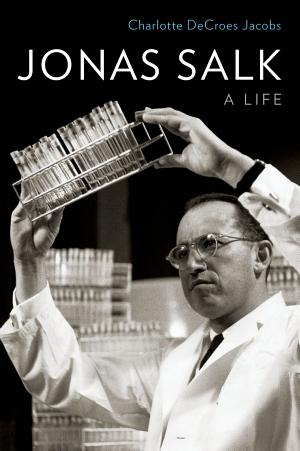
Jonas Salk: A Life
Charlotte DeCroes Jacobs
3 score
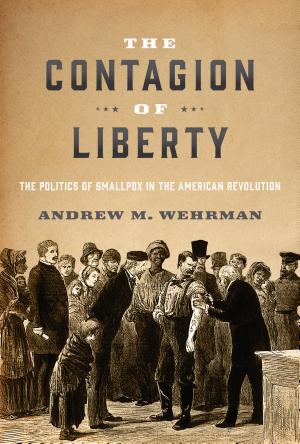
The Contagion of Liberty: The Politics of Smallpox in the American Revolution
Andrew M. Wehrman
3 score
The Demon in the Freezer: A True Story
Richard Preston
3 score

Pandemic: Tracking Contagions, from Cholera to Ebola and Beyond
Sonia Shah
3 score
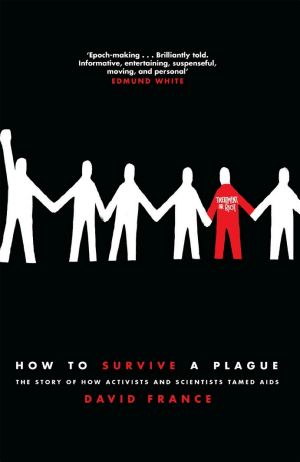
How to Survive a Plague: The Inside Story of How Citizens and Science Tamed AIDS
David France
1 win · 12 score
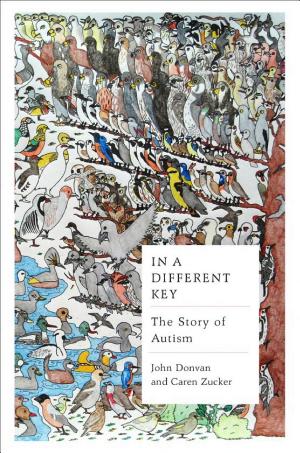
In a Different Key: The Story of Autism
John Donvan, Caren Zucker
4 score

Blood Farm: The Explosive Big Pharma Scandal that Altered the AIDS Crisis
Cara McGoogan
2 score
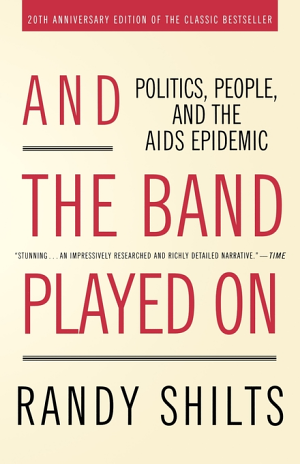
And the Band Played On: Politics, People and the AIDS Epidemic
Randy Shilts
4 score
Spike: The Virus vs The People
Jeremy Farrar and Anjana Ahuja
3 score
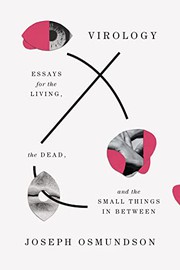
Virology: Essays for the Living, the Dead, and the Small Things in Between
Joseph Osmundson
4 score
Spike: The Virus vs. The People – the Inside Story
Jeremy Farrar with Anjana Ahuja
3 score
My Own Country: A Doctor's Story
Abraham Verghese
4 score