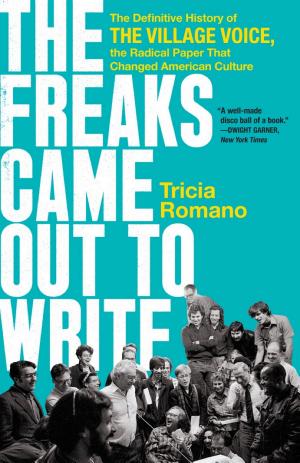
The Freaks Came Out To Write: The Definitive History of the Village Voice, the Radical Paper That Changed American Culture
Tricia Romano
The Freaks Came Out To Write: The Definitive History of the Village Voice, the Radical Paper That Changed American Culture
Tricia Romano
#2473 of 3,809 books · #816 in History
Shortlisted for the National Book Critics Circle Award for Nonfiction (2024).
The Freaks Came Out to Write was a finalist for the 2024 National Book Critics Circle Award and the 2025 Gotham Book Prize, and was listed in best books of 2024 by New York Magazine (Vulture), The New Yorker, LitHub, and Chicago Public Library. A rollicking history of America's most iconic weekly newspaper told through the voices of its legendary writers, editors, and photographers. You either were there or you wanted to be. A defining New York City institution co-founded by Norman Mailer, The Village Voice was the first newspaper to cover hip-hop, the avant-garde art scene, and Off-Broadway with gravitas. It reported on the AIDS crisis with urgency and seriousness when other papers dismissed it as a gay disease. In 1979, the Voice's Wayne Barrett uncovered Donald Trump as a corrupt con artist before anyone else was paying attention. It invented new forms of criticism and storytelling and revolutionized journalism, spawning hundreds of copycats. With more than 200 interviews, including two-time Pulitzer Prize winner Colson Whitehead, cultural critic Greg Tate, gossip columnist Michael Musto, and feminist writers Vivian Gornick and Susan Brownmiller, former Voice writer Tricia Romano pays homage to the paper that saved NYC landmarks from destruction and exposed corrupt landlords and judges. With interviews featuring post-punk band Blondie, sportscaster Bob Costas, and drummer Max Weinberg of Bruce Springsteen's E Street Band, in this definitive oral history, Romano tells the story of journalism, New York City and American culture—and the most famous alt-weekly of all time.
- Publisher
- Hachette UK
- ISBN-13
- 9781541736405
- Genre
- Topics
Awards
- National Book Critics Circle Award for NonfictionShortlistedMajor(2024)
Other awarded books from Tricia Romano
Tricia Romano has no other awarded or shortlisted books yet.
If you liked The Freaks Came Out To Write: The Definitive History of the Village Voice, the Radical Paper That Changed American Culture, you could also like these

The Slip: The New York City Street That Changed American Art Forever
Prudence Peiffer
0 wins · 2 score
Let the Record Show: A Political History of ACT UP New York, 1987-1993
Sarah Schulman
0 wins · 3 score
The Paper: The Life and Times of the New York Herald Tribune
Richard Kluger
0 wins · 4 score
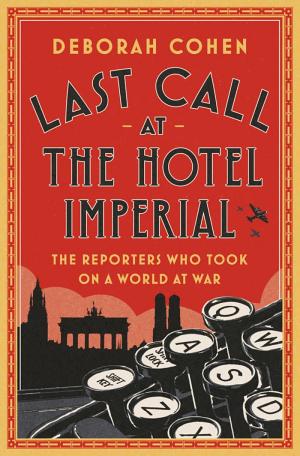
Last Call at the Hotel Imperial: The Reporters Who Took on a World at War
Deborah Cohen
1 win · 5 score
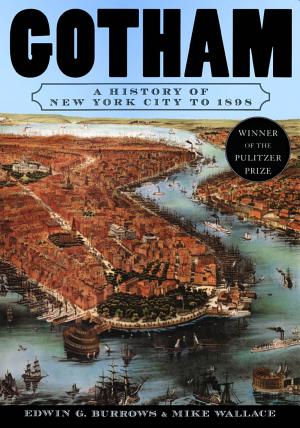
Gotham: A History of New York City to 1898
Edwin G. Burrows and Mike Wallace
1 win · 12 score
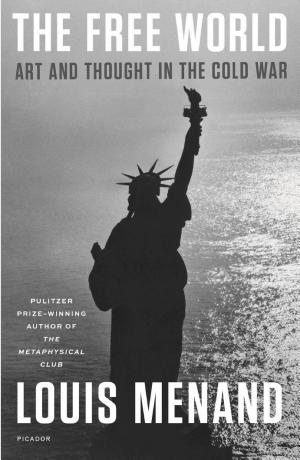
The Free World: Art and Thought in the Cold War
Louis Menand
0 wins · 1 score
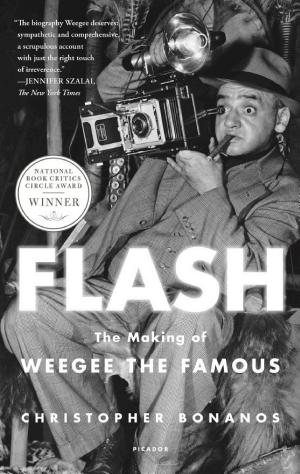
Flash: The Making of Weegee the Famous
Christopher Bonanos
1 win · 12 score
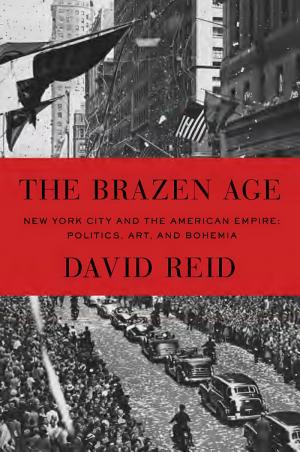
The Brazen Age: New York City and the American Empire - Politics, Art and Bohemia
David Reid
0 wins · 2 score
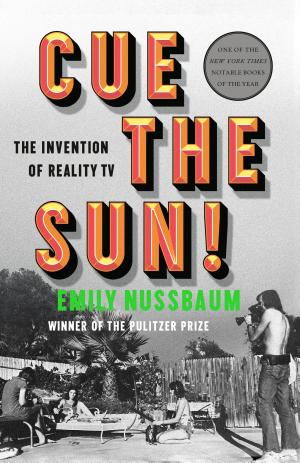
Cue the Sun! The Invention of Reality TV
Emily Nussbaum
0 wins · 4 score
The Armies of the Night: History as a Novel, The Novel as History
Norman Mailer
2 wins · 24 score
The Odd Woman and the City
Vivian Gornick
0 wins · 4 score
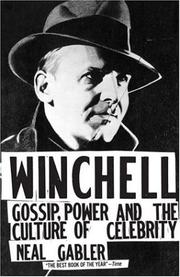
Winchell: Gossip, Power and the Culture of Celebrity
Neal Gabler
0 wins · 4 score

Ghettoside: A True Story of Murder in America
Jill Leovy
0 wins · 4 score
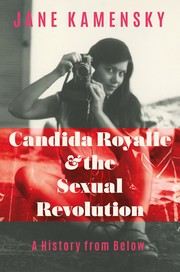
Candida Royalle and the Sexual Revolution: A History from Below
Jane Kamensky
0 wins · 4 score

Sontag: Her Life and Work
Benjamin Moser
1 win · 12 score
Similar Topics

Luce and His Empire
W. A. Swanberg
1 win · 12 score
Journalism historyLast Call at the Hotel Imperial: The Reporters Who Took on a World at War
Deborah Cohen
1 win · 5 score
Journalism history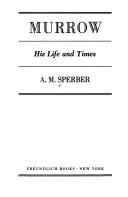
Murrow: His Life and Times
A.M. Sperber
0 wins · 4 score
Journalism historyWinchell: Gossip, Power and the Culture of Celebrity
Neal Gabler
0 wins · 4 score
Journalism history