The Long Road to Freedom: Prize-Winning Books About Slavery
Some of the most celebrated books of the past fifty years are about slavery and its long aftermath. We picked fourteen prize winners - novels first, then history - so you can read your way from the stories into the facts behind them.
All shelvesUpdated October 2026
You've reached the 150-character search limit.
Search through 7,609 books
Fiction books
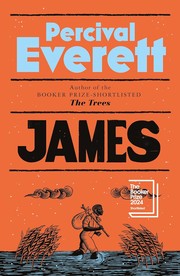
- WonPulitzer Prize for Fiction (2025)Major
- WonNational Book Award for Fiction (2024)Major
- WonAndrew Carnegie Medal for Excellence in Fiction (2025)
- WonKirkus Prize for Fiction (2024)
Why it’s here: The top-ranked novel of the decade in our tally, with the Pulitzer Prize, the National Book Award and the Carnegie Medal. Percival Everett retells Huckleberry Finn from the side of the enslaved Jim - who turns out to be a sharp, secretly literate man playing the role white people expect of him. Funny, furious and moving, it is the most accessible way into this list.
Perfect for: Anyone starting here - and everyone who read Huck Finn at school.
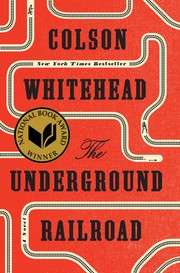
- WonPulitzer Prize for Fiction (2017)Major
- WonNational Book Award for Fiction (2016)Major
- WonAndrew Carnegie Medal for Excellence in Fiction (2017)
- WonArthur C. Clarke Award (2017)
Why it’s here: Winner of the Pulitzer Prize, the National Book Award, the Carnegie Medal and even the Arthur C. Clarke Award. Cora escapes a Georgia cotton plantation on an Underground Railroad that, in Colson Whitehead's telling, is a real railroad running beneath the earth. Each state she reaches shows her a different face of America - a daring idea that makes the history hit harder, not softer.
Perfect for: Readers who like bold storytelling, and viewers of Barry Jenkins' series who want the book behind it.
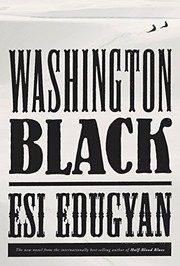
- ShortlistedInternational Dublin Literary Award (2020)Major
- ShortlistedThe Booker Prize (2018)Major
- ShortlistedLos Angeles Times Book Prize for Fiction (2018)Major
Why it’s here: Shortlisted for the Booker Prize, the Carnegie Medal and the Dublin Literary Award. Eleven-year-old Wash, enslaved on a Barbados sugar plantation, becomes the assistant of his master's eccentric brother - a naturalist, inventor and abolitionist with a flying machine. When a bounty is put on Wash's head, the two flee across the world. An adventure story with a serious heart.
Perfect for: Readers who want an escape-and-adventure novel that still takes its subject seriously.
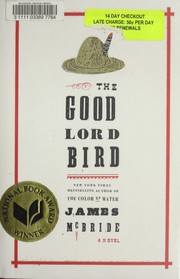
Why it’s here: Winner of the National Book Award. In 1856 Kansas, young Henry Shackleford is swept up by the abolitionist John Brown, who takes him for a girl and his good luck charm - and Henry plays along all the way to the raid on Harpers Ferry. James McBride turns one of the most violent chapters before the Civil War into a wildly funny, surprisingly moving picaresque.
Perfect for: Readers who think a book about slavery can't make them laugh.
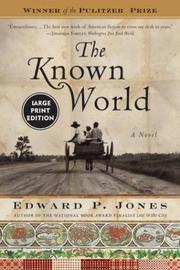
- WonInternational Dublin Literary Award (2005)Major
- WonPulitzer Prize for Fiction (2004)Major
- WonNational Book Critics Circle Award for Fiction (2003)Major
- WonAnisfield-Wolf Book Award for Fiction (2004)
Why it’s here: Winner of the Pulitzer Prize, the National Book Critics Circle Award and the Dublin Literary Award. In 1850s Virginia, Henry Townsend, a Black farmer and former slave, builds his life under the guidance of William Robbins, the most powerful man in Manchester County. Edward P. Jones turns a little-known footnote of history into an epic that looks at slavery in all its moral complexity, across a whole county of lives.
Perfect for: Readers ready for a richer, more demanding novel with dozens of unforgettable characters.
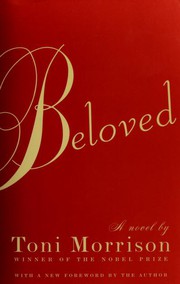
- WonPulitzer Prize for Fiction (1988)Major
- WonAnisfield-Wolf Book Award for Fiction (1988)
- ShortlistedNational Book Award for Fiction (1987)Major
Why it’s here: Winner of the Pulitzer Prize and a finalist for the National Book Award. In post-Civil War Ohio, Sethe has escaped slavery, but its memory lives on in her house - and then a mysterious young woman called Beloved arrives. Toni Morrison's masterpiece is part ghost story, part history, and one of the essential American novels.
Perfect for: Readers who want the classic everyone else on this list is in conversation with.
Nonfiction books

- WonPulitzer Prize for Biography or Autobiography (2024)Major
- ShortlistedKirkus Prize for Nonfiction (2023)
Why it’s here: Winner of the Pulitzer Prize for Biography. In 1848, Ellen and William Craft escaped from Georgia in plain sight: Ellen, who could pass for white, travelled as a wealthy disabled planter, with her husband posing as "his" slave. Ilyon Woo follows their journey north and their life on the abolitionist circuit - a true story that reads like a thriller.
Perfect for: Novel readers taking their first step into nonfiction.
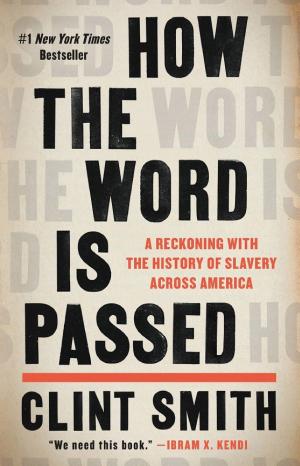
- WonNational Book Critics Circle Award for Nonfiction (2021)Major
- ShortlistedPEN/John Kenneth Galbraith Award for Nonfiction (2022)
Why it’s here: Winner of the National Book Critics Circle Award. Starting in his hometown of New Orleans, poet Clint Smith visits the places where slavery's history is told - or avoided: Monticello, the Whitney Plantation, Angola prison and more. Part travelogue, part history, it shows how the way we remember slavery still shapes America today.
Perfect for: Readers interested in memory, monuments and how history is taught.
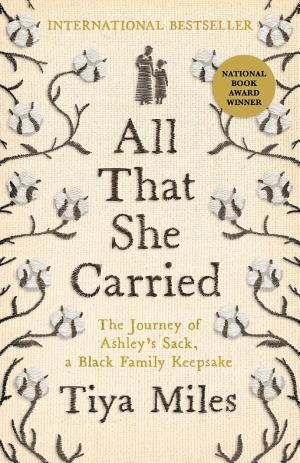
- WonNational Book Award for Nonfiction (2021)Major
- WonCundill History Prize (2022)
- WonPEN/John Kenneth Galbraith Award for Nonfiction (2022)
- WonAnisfield-Wolf Book Award (2022)
Why it’s here: Winner of the National Book Award and the Cundill History Prize. In 1850s South Carolina, an enslaved mother named Rose packed a cotton sack for her nine-year-old daughter Ashley before the girl was sold. Decades later, Ashley's granddaughter embroidered the story on the sack. Tiya Miles follows that one object to recover the lives of women the archives barely recorded.
Perfect for: Readers who love history told through objects and family stories.
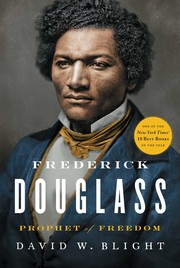
- WonPulitzer Prize for History (2019)Major
- WonBancroft Prize (2019)
- WonLos Angeles Times Book Prize for Biography (2018)
- WonThe Plutarch Award (2019)
Why it’s here: Winner of the Pulitzer Prize for History, the Bancroft Prize and the Los Angeles Times Book Prize. David W. Blight's biography follows Douglass from his escape from slavery in Maryland to becoming the most famous orator in the nation - a fierce critic of the United States and a radical patriot at the same time. The definitive life of one of America's greatest writers.
Perfect for: Biography lovers, and anyone who has read Douglass's own Narrative.
- WonPulitzer Prize for History (2009)Major
- WonNational Book Award for Nonfiction (2008)Major
- WonAnisfield-Wolf Book Award (2009)
Why it’s here: Winner of the Pulitzer Prize and the National Book Award. Annette Gordon-Reed tells the story of the Hemings family, enslaved at Monticello and bound to Thomas Jefferson by blood - a connection long erased from American history. Following them from the 1700s to Jefferson's death in 1826, it reveals the founding era from the other side of the plantation house.
Perfect for: Readers fascinated by the Founding Fathers and the contradictions behind them.

- WonPulitzer Prize for History (2011)Major
- WonBancroft Prize (2011)
Why it’s here: Winner of the Pulitzer Prize and the Bancroft Prize. Eric Foner traces Lincoln's lifelong engagement with slavery - not as a saint who always knew the answer, but as a pragmatic politician whose views grew and changed through antislavery politics, secession and war. A clear, balanced account of how emancipation actually happened.
Perfect for: Civil War readers who want to understand Lincoln beyond the myth.
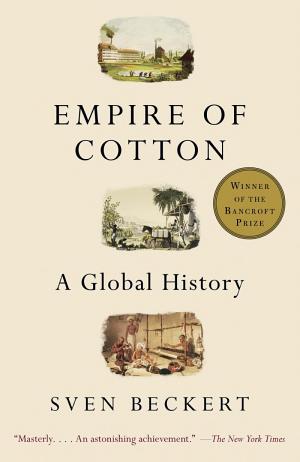
- WonBancroft Prize (2015)
- ShortlistedPulitzer Prize for History (2015)Major
- ShortlistedCundill History Prize (2015)
Why it’s here: Winner of the Bancroft Prize and a finalist for the Pulitzer and the Cundill History Prize. Sven Beckert shows how cotton - and the enslaved people who grew it - sat at the centre of the world economy and helped create modern capitalism. It widens the lens from one country to the whole globe.
Perfect for: Readers interested in economics, trade and the big picture.
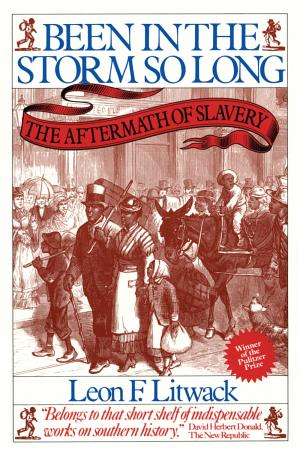
- WonNational Book Award for Nonfiction (1981)Major
- WonPulitzer Prize for History (1980)Major
Why it’s here: Winner of both the Pulitzer Prize and the National Book Award. Drawing on interviews with formerly enslaved people and the diaries of former slaveholders, Leon F. Litwack shows what freedom really meant in the years during and after the Civil War. A classic of American history and a fitting end to this list: what came after.
Perfect for: Readers ready for a deep, scholarly history - the end point of the reading path.