
The Swerve: How the World Became Modern
#56 of 3,809 books · #18 in History
Won the Pulitzer Prize for General Nonfiction (2012) and the National Book Award for Nonfiction (2011). Also shortlisted or longlisted for 1 other award.
The Swerve won the Pulitzer Prize for Nonfiction and the National Book Award, was a New York Times bestseller, and was named a Kirkus Reviews "Best Book of the 21st Century (So Far)." Renowned scholar Stephen Greenblatt brings the past to vivid life in what is at once a supreme work of scholarship, a literary page-turner, and a thrilling testament to the power of the written word. In the winter of 1417, a short, genial, cannily alert man in his late thirties plucked a very old manuscript off a dusty shelf in a remote monastery, saw with excitement what he had discovered, and ordered that it be copied. He was Poggio Bracciolini, the greatest book hunter of the Renaissance. His discovery, Lucretius' ancient poem On the Nature of Things, had been almost entirely lost to history for more than a thousand years. It was a beautiful poem of the most dangerous ideas: that the universe functions without the aid of gods, that religious fear is damaging to human life, that pleasure and virtue are not opposites but intertwined, and that matter is made up of very small material particles in eternal motion, randomly colliding and swerving in new directions. Its return to circulation changed the course of history. The poem's vision would shape the thought of Galileo and Freud, Darwin and Einstein, and—in the hands of Thomas Jefferson—leave its trace on the Declaration of Independence. From the gardens of the ancient philosophers to the dark chambers of monastic scriptoria during the Middle Ages to the cynical, competitive court of a corrupt and dangerous pope, Greenblatt brings Poggio's search and discovery to life in a way that deepens our understanding of the world we live in now.
- Publisher
- W. W. Norton & Company
- ISBN-13
- 9780393083385
- Genre
- Topics
- Renaissance intellectual historyRediscovery of classical textsLucretius and Epicurean philosophy
Awards
- Pulitzer Prize for General NonfictionWonMajor(2012)
- National Book Award for NonfictionWonMajor(2011)
- Cundill History PrizeLonglisted(2012)
Other awarded books from Stephen Greenblatt
- Will in the World: How Shakespeare Became Shakespeare (2004)0 wins · 15 score
If you liked The Swerve: How the World Became Modern, you could also like these
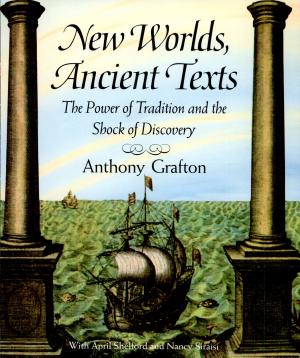
New Worlds, Ancient Texts: The Power of Tradition and the Shock of Discovery
Anthony Grafton
1 win · 8 score
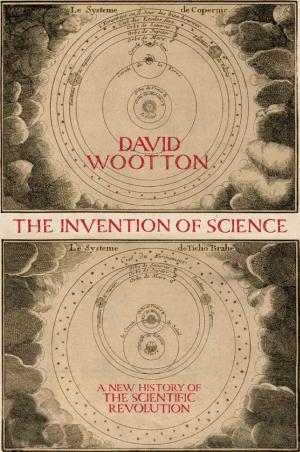
The Invention of Science: A New History of the Scientific Revolution
David Wootton
0 wins · 3 score
How the World Made the West: A 4,000-Year History
Josephine Quinn
0 wins · 1 score

Revolutionary Spring: Fighting for a New World 1848–1849
Christopher Clark
0 wins · 4 score

The Enlightenment, Vol. I: The Rise of Modern Paganism
Peter Gay
1 win · 12 score

Light: A Radiant History from Creation to the Quantum Age
Bruce Watson
0 wins · 3 score
The Dawn of Everything
David Graeber and David Wengrow
0 wins · 3 score
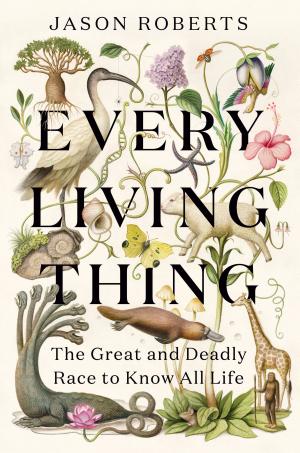
Every Living Thing: The Great and Deadly Race to Know All Life
Jason Roberts
2 wins · 17 score

The Free World: Art and Thought in the Cold War
Louis Menand
0 wins · 1 score
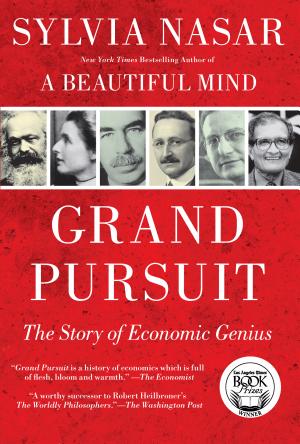
Grand Pursuit: The Story of Economic Genius
Sylvia Nasar
1 win · 8 score
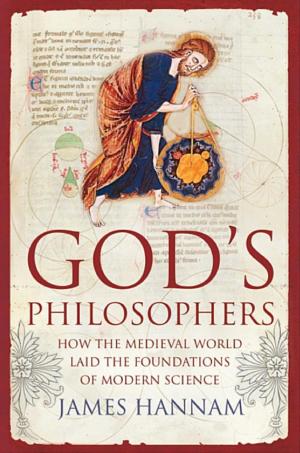
God's Philosophers: How the Medieval World Laid the Foundations of Modern Science
James Hannam
0 wins · 3 score
The Information: A History, a Theory, a Flood
James Gleick
2 wins · 24 score

Exactly: How Precision Engineers Created the Modern World
Simon Winchester
0 wins · 3 score

The Story of Civilization: Rousseau and Revolution
Ariel Durant, Will Durant
1 win · 12 score

A History of Histories: Epics, Chronicles, Romances and Inquiries from Herodotus and Thucydides to the Twentieth Century
John Burrow
0 wins · 1 score