Affiliate link: we may earn a commission
Science & Technology
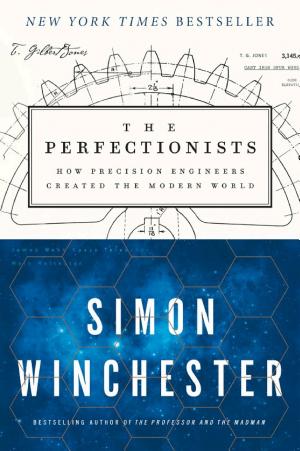
Exactly: How Precision Engineers Created the Modern World
Affiliate link: we may earn a commission
Shortlisted for the Royal Society Science Book Prize (2018).
The revered New York Times bestselling author traces the development of technology from the Industrial Age to the Digital Age to explore the single component crucial to advancement—precision—in a superb history that is both an homage and a warning for our future. The rise of manufacturing could not have happened without an attention to precision. At the dawn of the Industrial Revolution in eighteenth-century England, standards of measurement were established, giving way to the development of machine tools—machines that make machines. Eventually, the application of precision tools and methods resulted in the creation and mass production of items from guns and glass to mirrors, lenses, and cameras—and eventually gave way to further breakthroughs, including gene splicing, microchips, and the Hadron Collider. Simon Winchester takes us back to origins of the Industrial Age, to England where he introduces the scientific minds that helped usher in modern production: John Wilkinson, Henry Maudslay, Joseph Bramah, Jesse Ramsden, and Joseph Whitworth. It was Thomas Jefferson who later exported their discoveries to the fledgling United States, setting the nation on its course to become a manufacturing titan. Winchester moves forward through time, to today's cutting-edge developments occurring around the world, from America to Western Europe to Asia. As he introduces the minds and methods that have changed the modern world, Winchester explores fundamental questions. Why is precision important? What are the different tools we use to measure it? Who has invented and perfected it? Has the pursuit of the ultra-precise in so many facets of human life blinded us to other things of equal value, such as an appreciation for the age-old traditions of craftsmanship, art, and high culture? Are we missing something that reflects the world as it is, rather than the world as we think we would wish it to be? And can the precise and the natural co-exist in society?
Affiliate link: we may earn a commission
- Genre
- Science & Technology
- Topics
- Precision engineeringIndustrial Revolution historyManufacturing technology
- Publisher
- HarperCollins
- ISBN-13
- 9780062652577
Awards
- 2018Royal Society Science Book PrizeShortlisted
Other awarded books from Simon Winchester
If you liked Exactly: How Precision Engineers Created the Modern World, you could also like these
The Invention of Science: A New History of the Scientific Revolution
David Wootton
3 score
Nuts and Bolts: Seven Small Inventions That Changed the World (in a Big Way)
Roma Agrawal
3 score

The Alchemy of Us: How Humans and Matter Transformed One Another
Ainissa Ramirez
3 score
Your Life is Manufactured: How We Make Things, Why It Matters and How We Can Do It Better
Tim Minshall
3 score

Revolution in Time: Clocks and the Making of the Modern World
David S. Landes
4 score

Edison’s Eve: A Magical History of the Quest for Mechanical Life
Gaby Wood
4 score

Machines of Loving Grace: The Quest for Common Ground Between Humans and Robots
John Markoff
3 score
The Second Machine Age: Work, Progress, and Prosperity in a Time of Brilliant Technologies
Erik Brynjolfsson and Andrew McAfee
3 score
Turing’s Cathedral: The Origins of the Digital Universe
George Dyson
3 score
To Be a Machine: Adventures Among Cyborgs, Utopians, Hackers, and the Futurists Solving the Modest Problem of Death
Mark O'Connell
7 score

Backroom Boys
Francis Spufford
3 score
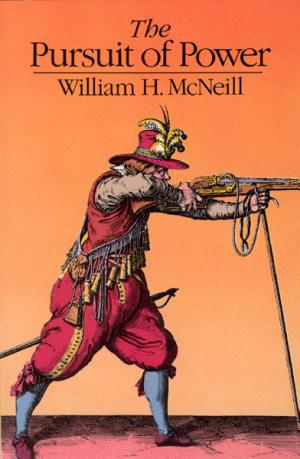
The Pursuit of Power: Technology, Armed Force and Society Since A.D. 1000
William H. McNeill
4 score
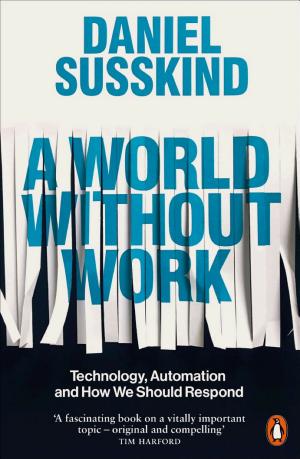
A World Without Work: Technology, Automation, and How We Should Respond
Daniel Susskind
3 score
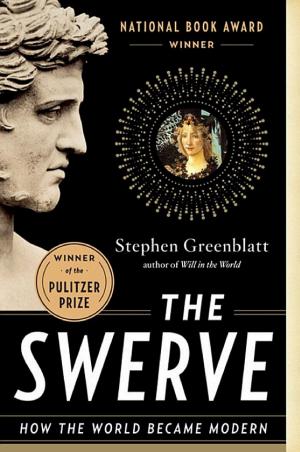
The Swerve: How the World Became Modern
Stephen Greenblatt
2 wins · 25 score
Behemoth: A History of the Factory and the Making of the Modern World
Joshua B. Freeman
3 score