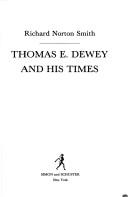
Thomas E. Dewey and His Times
Richard Norton Smith
#2678 of 3,809 books · #960 in Biography & Memoir
Shortlisted for the Pulitzer Prize for Biography or Autobiography (1983).
Thomas E. Dewey, unfortunately, is probably best remembered by most Americans as the little fellow who lost the 1948 Presidential election to Harry S. Truman in one of the greatest upsets in American history. But thanks to the work of Richard Norton Smith, we can now see Dewey for what he really was - a crusading, crime-busting district attorney; perhaps the best governor New York State ever had; and the man who "modernized" the Republican Party and allowed it to survive through the Depression years and the 1940's. Dewey grew up in a small town in Michigan (his father owned and published the local newspaper), and his rise to fame and fortune came remarkably fast. A compulsive workaholic and "neat freak", Dewey graduated from the University of Michigan and Columbia University Law School in the 1920's. He briefly considered a career as a singer - he had an award-winning baritone voice and liked to sing Broadway tunes in his bathtub - but decided that the law would be a more stable and suitable career. He married an actress, settled in New York City (although he never really liked the Big Apple, and in 1938 he bought a large farm 65 miles north of Manhattan and happily became a weekend farmer and country squire). In 1933 Dewey, only 31, became the assistant District Attorney for Manhattan and helped to send several gangsters to prison. In 1937 he was elected District Attorney for New York City, and he soon achieved national fame as the "gangbuster" - the honest lawyer who sent dozens of famous mafia leaders to jail. His most famous target was "Lucky" Luciano, the mafia boss of all New York and who was even more powerful than Al Capone. Dewey's conviction of Luciano (for running a massive prostitution racket in the New York/New Jersey area) made him a national hero and propelled him into presidential politics at the incredible age of 38. Hollywood even made movies about him. In 1940 he ran for the Republican presidential nomination and nearly won, despite his youth and inexperience. In 1942 he was elected governor of New York. During his twelve years as governor he passed the first state civil rights laws in America, lowered taxes AND cut a budget deficit in half, and founded the State University of New York. He also rooted out political crooks and ran a remarkably honest administration. In 1944 he ran for President and came closer to defeating Franklin D. Roosevelt than any of his four opponents. Dewey's great moment was supposed to have been in 1948, when he was considered to be a sure bet to defeat President Harry S. Truman and restore the Republicans to the White House. All the polls showed Dewey winning easily, and Dewey refused to even mention Truman's name - even as Truman insulted and ridiculed him in speech after speech. This was a costly mistake - Truman won a narrow victory in one of the great political upsets of all time. At the age of 46, Dewey was a "has-been".
- Publisher
- Simon & Schuster
- ISBN-13
- 9780671417413
- Genre
- Topics
Awards
- Pulitzer Prize for Biography or AutobiographyShortlistedMajor(1983)
Other awarded books from Richard Norton Smith
Richard Norton Smith has no other awarded or shortlisted books yet.
If you liked Thomas E. Dewey and His Times, you could also like these
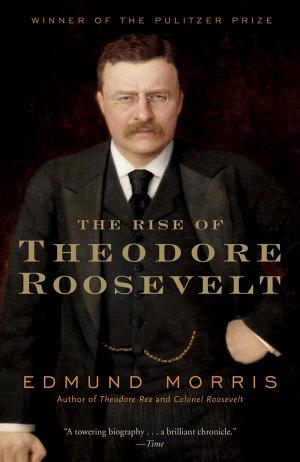
The Rise of Theodore Roosevelt
Edmund Morris
2 wins · 24 score
Roosevelt’s Purge: How FDR Fought to Change the Democratic Party
Susan Dunn
0 wins · 3 score
The Brazen Age: New York City and the American Empire - Politics, Art and Bohemia
David Reid
0 wins · 2 score
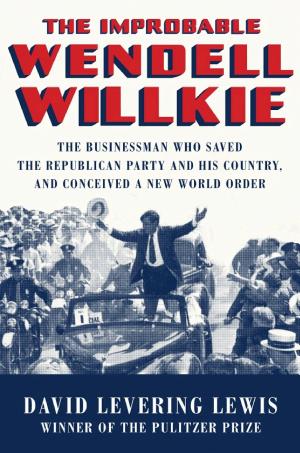
The Improbable Wendell Willkie: The Businessman Who Saved the Republican Party and Conceived a New World Order
David Levering Lewis
0 wins · 2 score
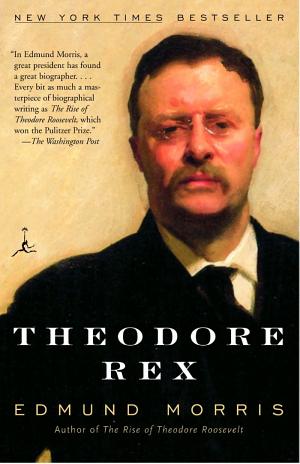
Theodore Rex
Edmund Morris
1 win · 8 score

FDR: The Beckoning of Destiny, 1882–1928
Kenneth S. Davis
0 wins · 4 score
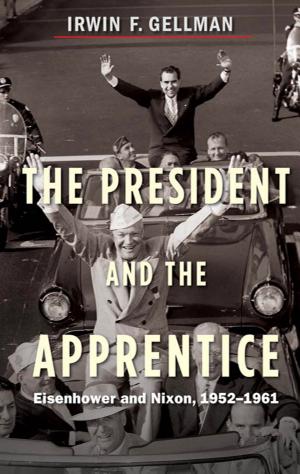
The President and the Apprentice: Eisenhower and Nixon 1952-1961
Irwin F. Gellman
0 wins · 2 score
The Taft Story
William S. White
1 win · 12 score

Theodore Roosevelt: A Biography
Henry F. Pringle
1 win · 12 score
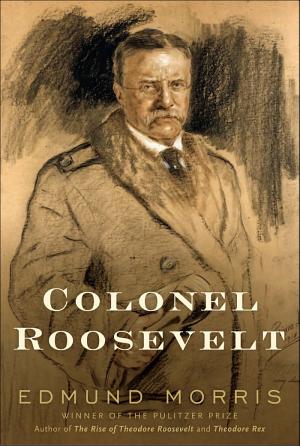
Colonel Roosevelt
Edmund Morris
0 wins · 3 score
Woodrow Wilson: A Biography
John Milton Cooper, Jr.
0 wins · 4 score
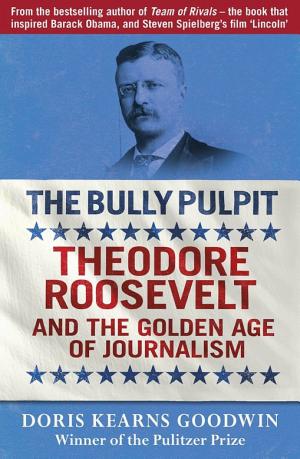
The Bully Pulpit: Theodore Roosevelt, William Howard Taft, and the Golden Age of Journalism
Doris Kearns Goodwin
1 win · 15 score
Tumultuous Years: The Presidency of Harry S. Truman, 1949–1953
Robert J. Donovan
0 wins · 4 score
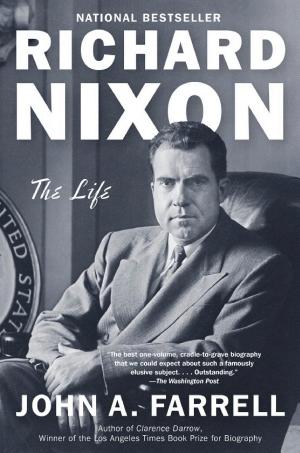
Richard Nixon: The Life
John A. Farrell
1 win · 14 score

Norman Thomas: The Last Idealist
W. A. Swanberg
1 win · 12 score
Similar Topics
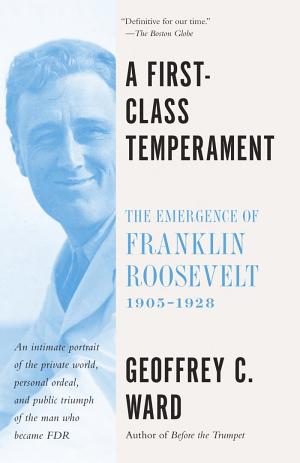
A First-Class Temperament: The Emergence of Franklin Roosevelt
Geoffrey C. Ward
3 wins · 36 score
American politics
Means of Ascent: The Years of Lyndon Johnson, Vol. II
Robert A. Caro
2 wins · 27 score
American politicsThe Rise of Theodore Roosevelt
Edmund Morris
2 wins · 24 score
American politics
Robert Kennedy and His Times
Arthur M. Schlesinger Jr.
1 win · 16 score
American politics
Grover Cleveland: A Study in Courage
Allan Nevins
1 win · 12 score
American politics
John C. Calhoun: American Portrait
Margaret Louise Coit
1 win · 12 score
American politicsNorman Thomas: The Last Idealist
W. A. Swanberg
1 win · 12 score
American politics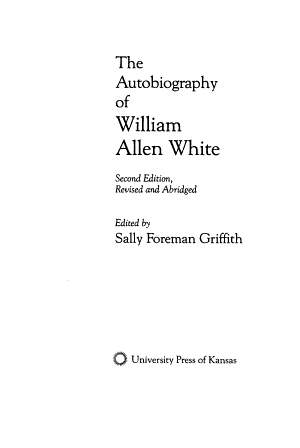
The Autobiography of William Allen White
William Allen White†
1 win · 12 score
American politicsThe Taft Story
William S. White
1 win · 12 score
American politics
Richard Milhous Nixon: The Rise of an American Politician
Roger Morris
0 wins · 8 score
American politics
John Lewis: A Life
David Greenberg
0 wins · 6 score
American politics
Herblock's State of the Union
Herbert Block
0 wins · 4 score
American politics
The Life and Times of Congressman John Quincy Adams
Leonard L. Richards
0 wins · 4 score
American politics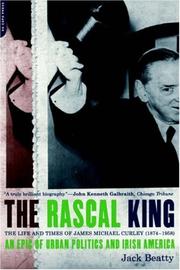
The Rascal King: The Life and Times of James Michael Curley, 1874-1958
Jack Beatty
0 wins · 4 score
American politics
Mary McGrory The First Queen of Journalism
John Norris
0 wins · 3 score
American politics